
I am happy to share that I have joined California Air Resources Board as an Air Resources Engineer starting this month. I want to take this opportunity to highlight the issue of air pollution in California with historical context.
Every year, about 100,000 people die due to air pollution in the US.
In the summer of 1943, Los Angeles was blanketed with smog that smelled like bleach. People living around the city suddenly started having runny noses and burning eyes. Some blamed the cause of this to a nearby butadiene plant, referring to the incident as a “gas attack”, which was later proved untrue. Deeper investigation of the smog problem revealed that a variety of pollution sources (including automobiles) contribute to smog formation.


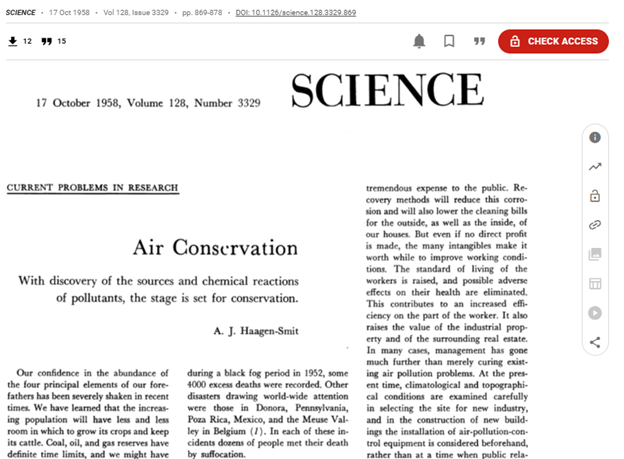

In the early 1950s, Caltech scientist Dr. Arie Jan Haagen-Smit first identified the cause of smog through experiments: chemicals from car exhaust and industrial smoke (hydrocarbons and nitrogen oxides) react in sunlight to produce smog.
In 1967, CARB was established to take a statewide, coordinated approach to address the problem of air pollution in California. Rightfully, Dr. Haagen-Smit became CARB’s first chair in 1968.
Following California’s footsteps, the federal Clean Air Act was enacted in 1970, which recognized California’s earlier efforts and authorized the state to set its own separate and more stringent emission standards, which continues today.
With interventions such as catalytic converters, tailpipe emission standards, and zero-emission vehicle regulations, pollutant concentrations started showing a decreasing trend, for the first time, in the 1980s, both in California and in the US as a whole.
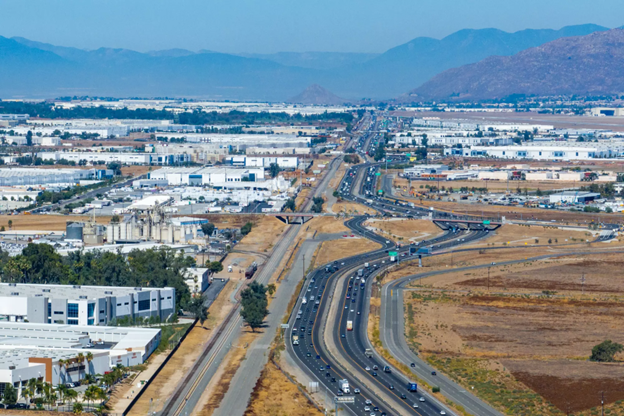
However, the growing populations and more cars continue to cause smog in California, with several EPA “nonattainment” hotspots, including the South Coast, San Joaquin Valley, Bay Area, and Sacramento.
There is no doubt CARB has played a leading role in this effort, in creating cleaner skies in California. It is because of CARB we are able to breathe fresher air today. Otherwise, the smog problem would have grown into a much more dangerous and widespread issue.
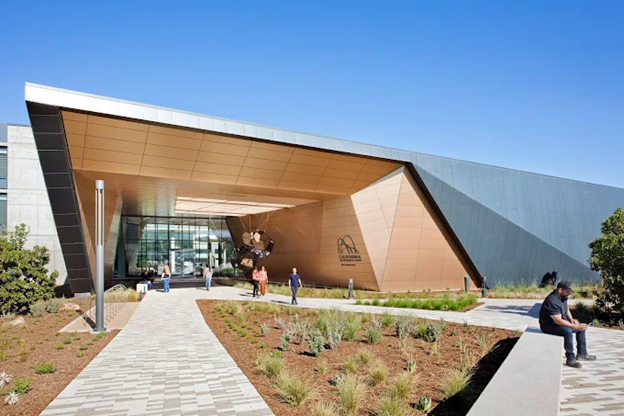
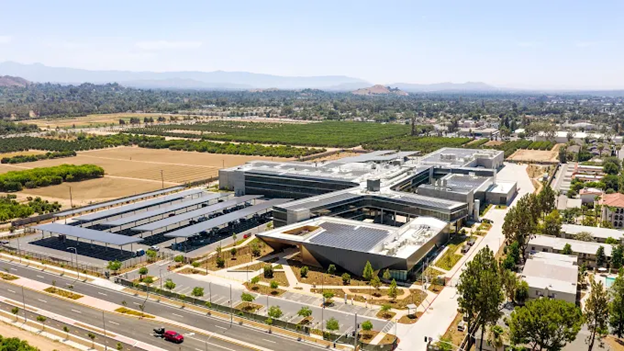
CARB’s southern headquarters was recently built (in 2021) in Riverside, CA. This iconic building is designed to be the largest Zero Net Energy building in the US, producing 3.5 megawatts of electricity, entirely generated by the solar arrays around the buildings and parking lots.
CARB is undoubtedly one of the most respected environmental organizations in the world, where the majority of the workforce consists of scientists and engineers. I am happy to join CARB’s over 55 years of journey to create clean air for all Californians.
Thank you!
PS: I am grateful to all the wonderful people I met while at San Diego State University. I am also grateful to the California Governor’s Office of Land Use and Climate Innovation (LCI) for providing me with the opportunity to serve as a Deputy Lead Editor for California’s Fifth Climate Change Assessment.